Jujutsu Beatdown King of Curses Guide
Slash zoning, Furnace setups, and Malevolent Shrine closes for Sukuna in Jujutsu Beatdown.
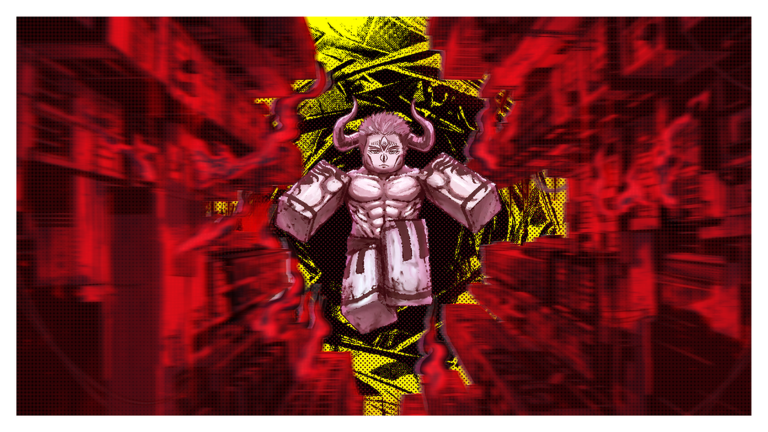
King of Curses is the Sukuna moveset in Jujutsu Beatdown—the slash-forward answer to The Honored One’s Limitless toolkit. If you want mid-range cleaves, cursed-energy enhanced cuts, and a domain that ends rounds, this is your main. The guide below covers Dismantle, Slice, Real Jujutsu, Web Cleave, awakening tools (Dismantle Net, Kamutoke, Furnace, Malevolent Shrine), V2 skill-tree notes, PvE farming value, and matchups against Gojo and Shadow Prodigy. Keep the Players Hub, tier list, and V2 patch notes open while you lab.
Why King of Curses works
Sukuna controls lanes. Dismantle and Slice force opponents to dash predictably; Web Cleave punishes people who stand still behind a block; Real Jujutsu mixes the kit so you are not a one-note projectile character. Awakening adds nets, lightning-adjacent Kamutoke pressure, Furnace detonations, and Malevolent Shrine—the domain that defines his high-level identity. He scales well into V2’s PvE mode because cleaves hit multiple wave enemies, and community players frequently recommend Sukuna or Megumi when pushing special-grade threats. Servers hold up to 16 players, so AoE shrine value in chaotic FFA is real.
Base moveset
Dismantle is your primary cut. The standard hit chips space; the cursed-energy variant changes timing and coverage so you can catch rolls or delayed wakes. Treat Dismantle as a neutral probe: throw it when you have dash ready to convert or retreat, not when you are already minus.
Slice is the partner tool—often a different angle or follow-through that keeps pressure after a blocked Dismantle. Cursed-energy Slice variants exist; lab which one gatling into M1 on your current patch. Together, Dismantle plus Slice create the “king of mid-range” feel that separates Sukuna from pure grappler kits like some Infinity confirms.
Real Jujutsu is the mix / command tool that keeps opponents guessing. Community character guides list a cursed-energy variant here as well. Use Real Jujutsu when the opponent starts auto-blocking every slash—force a different timing so your next Dismantle lands clean.
Web Cleave lays a web-like cleave pattern that punishes immobile defense and groups. In public lobbies, Web Cleave is how you tag two players who thought they were safe behind each other. In 1v1, it is a frame trap style threat after you conditioned them to hold F forever. Do not spam it on cooldown; the startup is reactable for strong players who watch your hands.
Shared controls still apply: M1 combo, Q dash, forward Q jump for dash attack or air counter, F block, G awaken, E cursed energy / Black Flash chance, Ctrl slide. King of Curses simply puts more of his power budget into special slots than into raw Infinity-style counters.
Awakening kit
Dismantle Net upgrades your dismantle identity into a netting pattern. Black Flash variants appear in published tables—high reward when you land the enhanced version, long cooldown if you miss. Net is your “they cannot walk freely” button after awakening.
Kamutoke adds burst threat with a different silhouette than pure slashes. Use it to break predictable block strings and to catch opponents who only practiced against Dismantle timing. Because it reads differently on screen, it is excellent after you have shown three slash-heavy rounds.
Furnace is the detonation / open-furnace pressure tool. Strong Sukuna players set Furnace when the opponent is already conditioned to fear Malevolent Shrine, then convert the panic dash into a net or slice confirm. Furnace also helps in PvE when elites clump on an objective tile.
Malevolent Shrine is the domain expansion. Once shrine is up, your cleaves become oppressive and round-ending. Startup can be contested—Gojo players will try to Void first or counter your entry. Open shrine when you have chip lead or when their awakening is spent. Black Flash variants of shrine tools exist in some listings; always re-check after Accel Grounds hotfixes posted on Discord via official links.
Cursed energy and Black Flash
E-management is mandatory. Many of Sukuna’s best converts require the cursed-energy version of Dismantle or Slice. Black Flash procs on the right timing turn medium damage into chunk damage—especially on Dismantle Net. If you awaken with zero energy discipline, you will waste Kamutoke and Furnace on blocked whiffs. Drill a simple loop: M1 string → cursed Dismantle → dash cancel → Slice → reset. Only then add shrine.
V2 skill trees and PvE
V2’s skill trees act like mastery nodes. For King of Curses, favor nodes that extend slash confirms and improve domain or Furnace payoff before cosmetic flex nodes. PvE waves of curses, aliens, and special grades are perfect labs: you keep wave coins even if you die later, and HARDCORE pays more coins when you can clear without revives. Sukuna’s AoE kit clears efficiently; save shrine for special-grade spikes instead of wasting it on wave one. Track mode changes on the Updates Hub.
Neutral and punish flowchart
- Establish Dismantle as a respected poke.
- If they dash under every slash, ready Web Cleave or Real Jujutsu mix.
- If they hold block forever, cursed-energy variant or grab-adjacent convert from M1.
- After a solid confirm, decide: chip them down safely or spend awakening.
- On awaken, show Dismantle Net once, then threaten Furnace so shrine is not your only scare.
- Close with Malevolent Shrine when their counter or domain is unavailable.
Matchups
Versus The Honored One: Respect Red Counter—do not Slice into an obvious counter window. Your shrine beats late Void if you start first; their Purple beats greedy net whiffs. Keep dash cancels tight.
Versus Shadow Prodigy: Kill dogs early. If Mahoraga takes over, you are fighting a different moveset—Divine Slam and World Cutting Slash change the spacing game. Read How to Summon Mahoraga so you know the gauge cues.
Versus Jogo / Nobara / Eso: Out-slash their zoning by walking with purpose, not by mashing projectile wars. Web Cleave tags players who plant for setups.
Versus Heavenbound: Toji wants to hop timelines with weapons; your job is to clip his straight commits with Dismantle and not get anti-aired for free.
Mistakes to drop
- Awakening the moment meter fills with no confirm.
- Ignoring cursed-energy variants entirely.
- Shrine as a get-off-me when you are already being comboed.
- Never redeeming codes that fund gems for unlocks tied to your account progress.
- Skipping getting started fundamentals and wondering why slash spam loses to basic dash punish.
Practice plan
Day one: only Dismantle and Slice converts. Day two: Web Cleave after block conditioning. Day three: full awakening route into shrine. Day four: ten fights against Gojo players only. Day five: a PvE special-grade clear on Sukuna without panic shrine. Then revisit the Players Hub and update your notes when V2 patch notes shift numbers.
King of Curses rewards calm lane control and ruthless domain timing. Master the four base tools, respect energy management, and Malevolent Shrine becomes a closing argument instead of a coin flip.
Frequently Asked Questions
Quick answers to the most common questions.
What are King of Curses’ base skills?
Dismantle, Slice, Real Jujutsu, and Web Cleave, each with cursed-energy variants that change timing, coverage, or mix potential.
What does Sukuna gain when he awakens?
Awakening unlocks Dismantle Net, Kamutoke, Furnace, and Malevolent Shrine, including Black Flash variants on key tools.
Is Sukuna good for PvE in V2?
Yes. His cleaves and domain hit multiple targets, so many players use Sukuna (or Megumi) when climbing special-grade PvE threats and farming wave coins.
How do I beat Gojo as King of Curses?
Avoid feeding Red Counter with obvious Slice timing, contest domain startup, and open Malevolent Shrine when Unlimited Void is spent or unavailable.
Should I skill-tree Sukuna first in V2?
Prioritize nodes that extend slash confirms and improve Furnace or shrine payoff before investing in low-impact flex nodes.